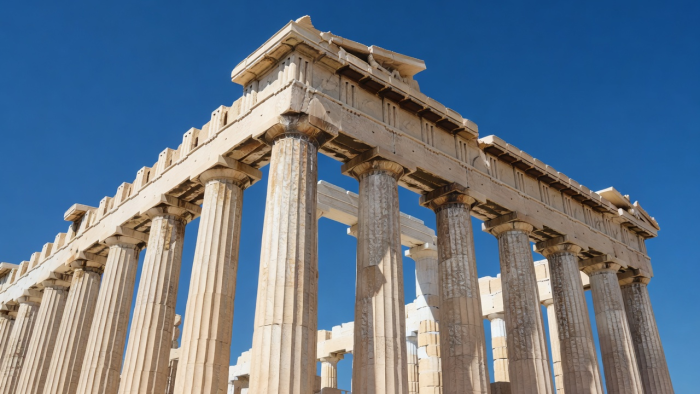
Athens
Beyond the Acropolis museum and Plaka souvenir kiosks lies an electrifying cultural hive. From the anarchist bookstore collectives of Exarcheia to the fish markets of Varvakios Agora, Athens is raw, intense, and deeply cerebral.
An unvarnished, deep-dive examination of Greece's foundational cities, mountain citadels, and insular outposts. Built for travelers who seek tectonic authenticity over commercial veneer.
Beyond the Acropolis museum and Plaka souvenir kiosks lies an electrifying cultural hive. From the anarchist bookstore collectives of Exarcheia to the fish markets of Varvakios Agora, Athens is raw, intense, and deeply cerebral.
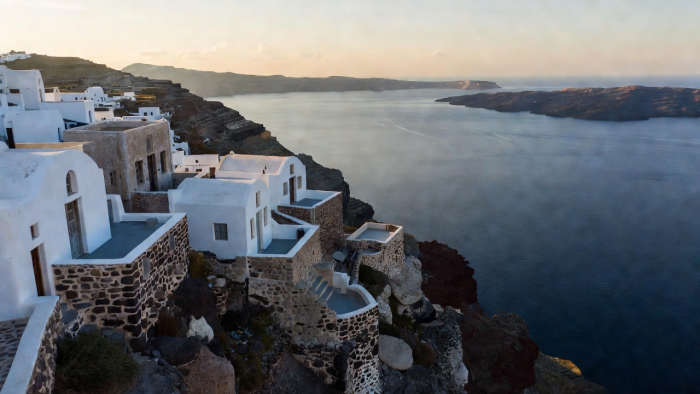
The rim of a shattered volcano that erupted in 1600 BCE, burying the Bronze Age city of Akrotiri under fifteen meters of ash. Escape Oia to explore Megalochori's cave cellars and Pyrgos medieval castle ramparts.
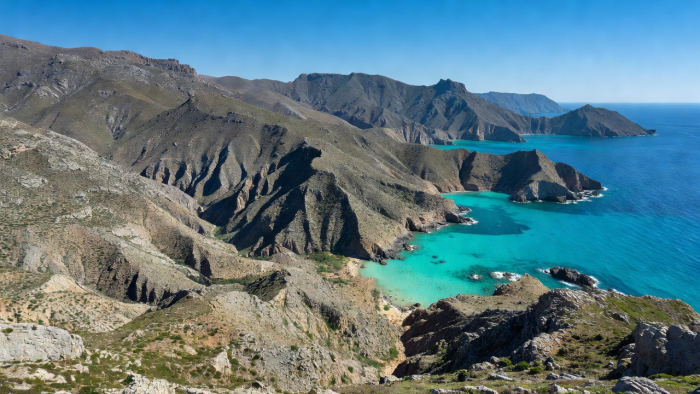
Greece’s largest island preserves its own distinct dialect, folklore, and defiant spirit. Towering White Mountains (Lefka Ori) divide the Venetian harbors of Chania and Rethymno from the secluded Libyan Sea ports of Sfakia.
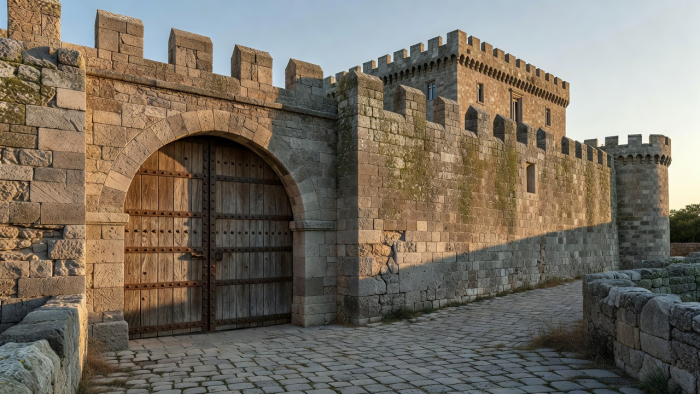
A palimpsest of historical powers. The medieval walled citadel of the Knights Hospitaller abuts Ottoman minarets and Italian fascist architecture from the 1930s. Further south, Lindos perches an ancient acropolis above sparkling bays.
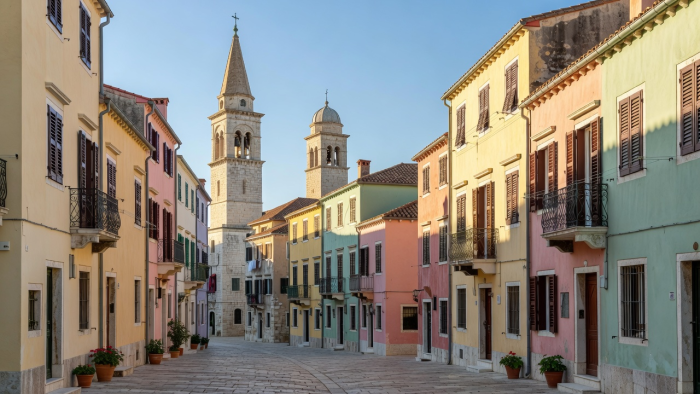
Never conquered by the Ottomans, Corfu developed under centuries of Venetian, French, and British rule. Its old town is an Italianate labyrinth of laundry-strung alleys (kantounia), flanked by vast silver-green olive groves.
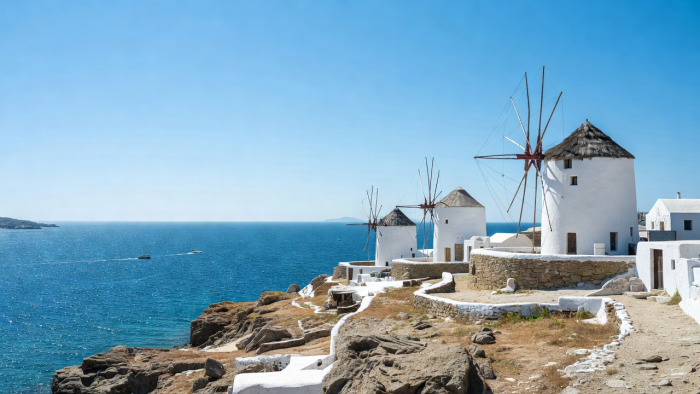
Look past the mega-yacht glamour to rediscover the wind-lashed Cycladic soul of Mykonos. More crucially, board an early wooden kaiki boat to uninhabited Delos, the sacred birthplace of Apollo and Artemis, covered in ancient mosaics.
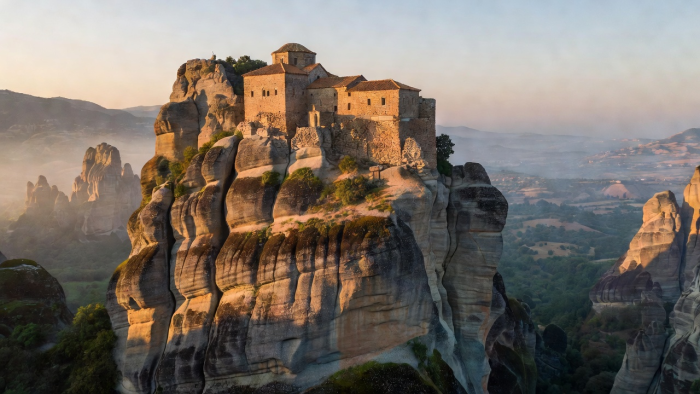
Geological monoliths formed sixty million years ago during the Tertiary period. Christian anchorites inhabited caves here by the 9th century, later building six operational monasteries that seemingly defy gravitational law.
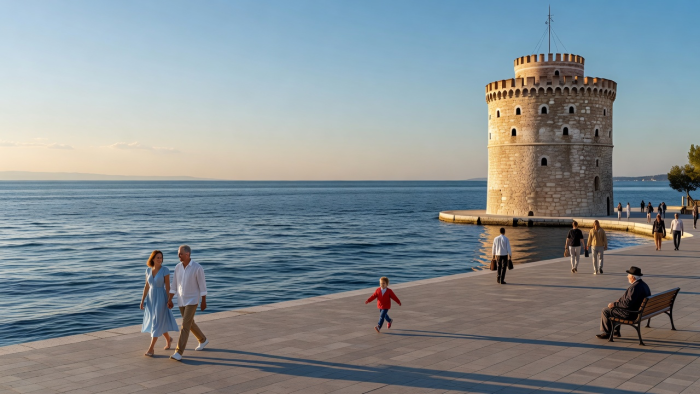
Greece's second capital is its true culinary and intellectual compass. Resting along the Thermaic Gulf, Thessaloniki weaves Early Christian and Byzantine basilicas with Sephardic Jewish history and energetic harbor esplanades.
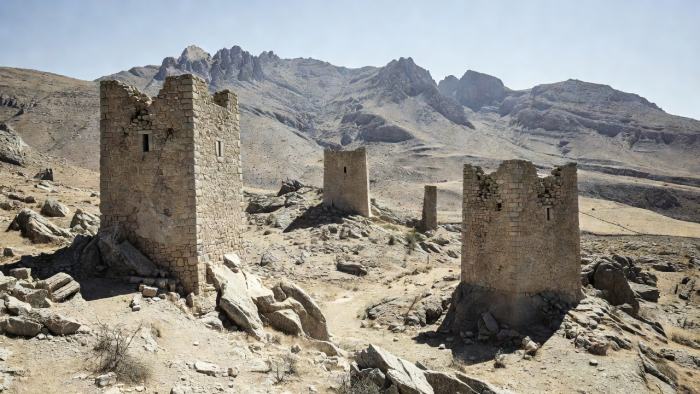
The beating heart of classical myth. From the bronze Mycenaean gold masks to the soaring acoustic perfection of Epidaurus and the ghost fortress of Mystras, this vast peninsula is an epic saga carved from grey limestone and deep green pines.
Comparative logistics for transit, accommodation profiles, and ideal scouting windows across Greece.
| Territory | Optimal Season | Primary Transport | Landscape Profile |
|---|---|---|---|
| Attica & Athens | March – June, Sept – Nov | Metro, Tram, Walking | Metropolitan urban basin, marble outcrops |
| Peloponnese | April – October | All-Terrain Car / Train | Canyon valleys, citrus plains, stone battlements |
| Meteora (Thessaly) | September – November | Train from Athens / Car | Prehistoric sandstone pillars, alpine foothills |
| Crete | May – October | Ferry or Flight + 4x4 | High gorges, alpine plateaus, sand coastlines |
| Thessaloniki | September – May | Direct Flight / Rail | Coastal gulf, Roman ruins, Byzantine hills |